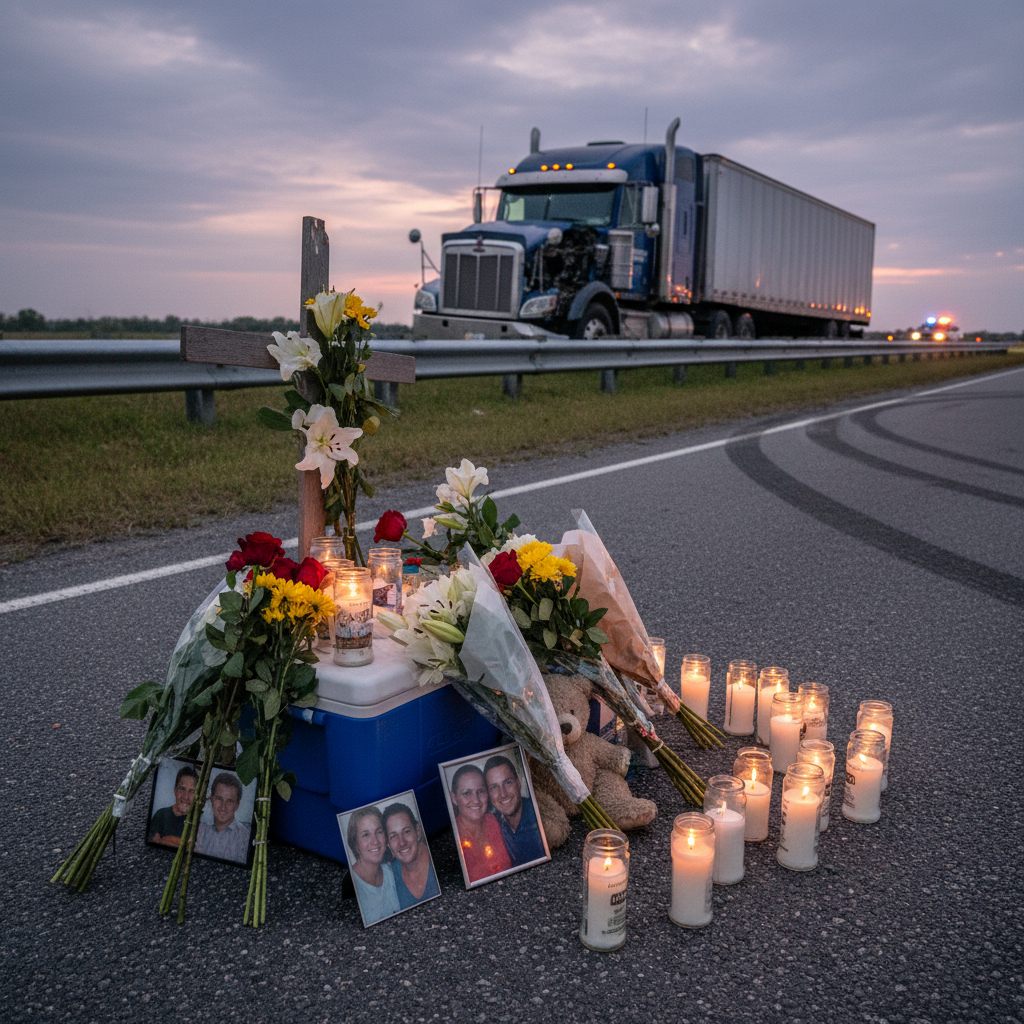
Understanding Wrongful Death Claims in 18-Wheeler Accidents
Losing a loved one in an 18-wheeler accident is a tragedy that brings not only emotional pain but also financial burdens. A wrongful death claim can be a crucial step in seeking justice and compensation for your loss. This blog post will provide comprehensive information on wrongful death claims specific to 18-wheeler accidents, focusing on relevant FMCSA regulations, legal considerations, and practical advice for victims' families.
What is a Wrongful Death Claim?
A wrongful death claim is a legal action brought by the surviving family members when a person's death is caused by the negligence or misconduct of another party. In the context of 18-wheeler accidents, the at-fault parties may include the truck driver, trucking company, or even manufacturers of faulty truck parts.
The key components that must be established to succeed in a wrongful death claim include:
- Duty of Care: The truck driver or trucking company owed a duty of care to ensure safe operation and compliance with regulations.
- Breach of Duty: There was a violation of that duty, leading to the accident.
- Causation: The breach of duty directly resulted in the death of the victim.
- Damages: Surviving family members suffered damages, such as loss of income, funeral expenses, and emotional suffering.
FMCSA Regulations and Their Impact on Claims
Understanding the Federal Motor Carrier Safety Administration (FMCSA) regulations can provide valuable insight into wrongful death claims related to 18-wheeler accidents. FMCSA rules are specifically designed to ensure safety in the trucking industry.
Relevant FMCSA Regulations
Hours of Service (HOS) Regulations (49 CFR Part 395): These rules dictate the maximum number of driving hours a truck driver can work without rest. If a driver was fatigued beyond the legal limits at the time of the accident, this could support a wrongful death claim.
Vehicle Maintenance Standards (49 CFR Part 396): Trucking companies are required to inspect and maintain their vehicles regularly. A failure to do so can be a significant factor in a wrongful death claim if defective vehicle maintenance contributed to the accident.
Driver Qualifications (49 CFR Part 391): Truck drivers must meet specific qualifications, including licensing and drug testing. If the driver involved in the accident was inadequately trained or impaired, this could strengthen the case for a wrongful death claim.
Steps to Take After a Fatal 18-Wheeler Accident
If you have lost a loved one in an 18-wheeler accident, taking prompt and appropriate action is crucial. Here are essential steps to consider:
1. Seek Legal Counsel
Engage an experienced truck accident attorney who specializes in wrongful death claims. They can evaluate the details of your case, gather evidence, and guide you through the legal process. An attorney will understand the nuances of FMCSA regulations and how they apply to your case.
2. Gather Evidence
Documentation is crucial in a wrongful death claim. Collect any information you can, such as:
- Accident reports
- Medical records of the deceased
- Witness statements
- Photos or video footage of the accident scene
- Maintenance records of the truck involved
3. File a Claim Promptly
There are statutes of limitations regarding wrongful death claims, which vary by state. Typically, the period is between one and three years from the date of death. It is essential to initiate your claim promptly to avoid losing your right to seek compensation.
4. Calculate Damages Accurately
Recoverable damages in a wrongful death claim may include:
- Lost wages or potential earnings of the deceased
- Funeral and burial expenses
- Medical expenses incurred before death
- Pain and suffering of the victim and their family
An experienced attorney can help determine the full value of your claim based on these damages.
Conclusion
Navigating a wrongful death claim after an 18-wheeler accident can be overwhelming, but understanding your rights and the legal process can provide some relief. With the right legal support, you can seek justice for your loved one while addressing the financial hardships that often accompany such a tragic loss. Remember to act promptly, gather all necessary evidence, and consult with experts who specialize in this area to ensure the best possible outcome for your case.