Introduction
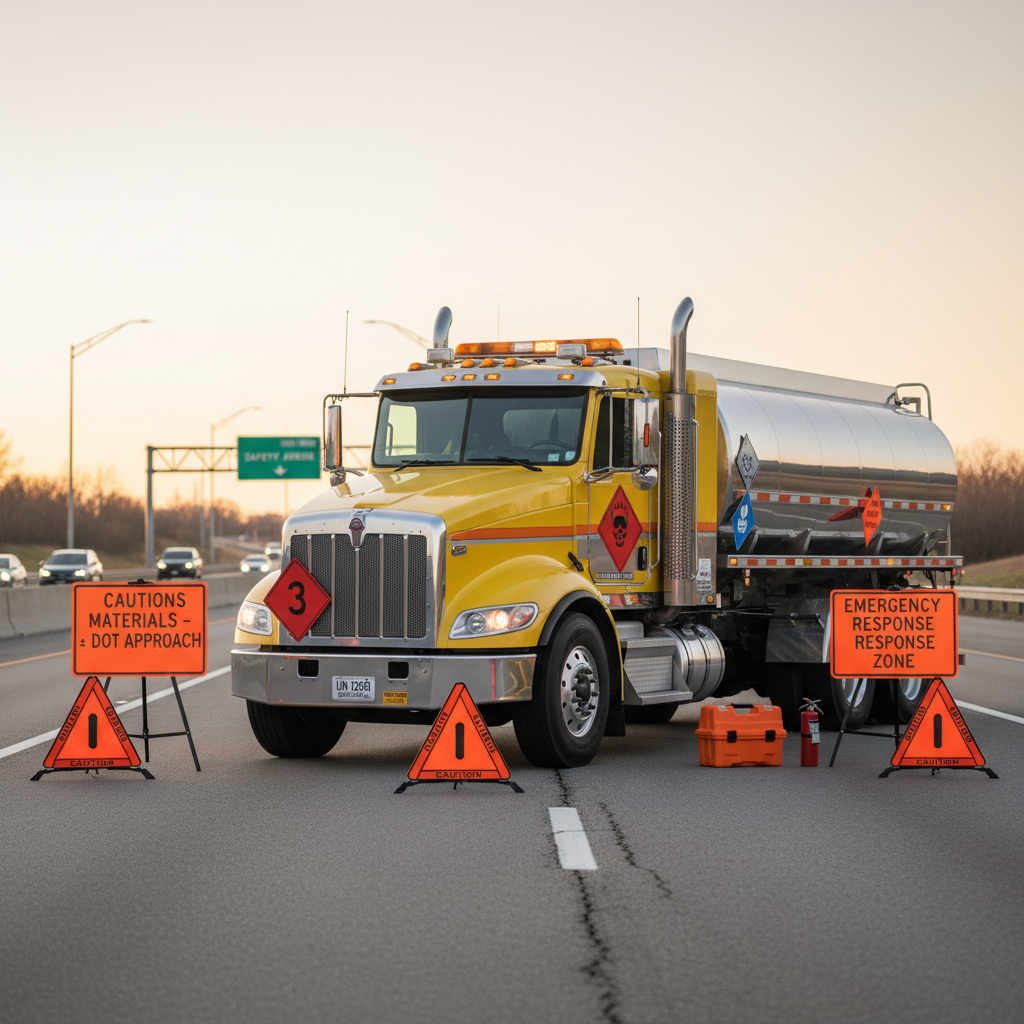
Hazardous materials (hazmat) truck accidents pose significant risks not only to the drivers involved but also to the public due to the potential for spills and environmental harm. Determining liability in such cases can be complicated, involving multiple parties and rigorous federal regulations. If you or a loved one has been affected by a hazmat truck accident, understanding who may be liable is crucial for pursuing compensation.
Understanding Liability in Hazmat Truck Accidents
In hazmat truck accidents, liability can rest with several entities depending on the circumstances of the accident. Here are the primary parties that could be held responsible:
1. The Truck Driver
The truck driver is often the first point of liability. If the driver was negligent, such as driving under the influence, speeding, or failing to adhere to safety regulations, they could be held responsible for the accident. Under the Federal Motor Carrier Safety Administration (FMCSA) regulations, drivers must comply with specific rules regarding hazardous materials, including Title 49 CFR Parts 171-180, which detail packaging, labeling, and handling requirements.
2. The Trucking Company
Trucking companies can also be held liable under the doctrine of vicarious liability, which holds employers responsible for their employees' negligent actions during the course of employment. If the hazmat truck was being operated in line with the company's business, the company may face liability, particularly if they failed to ensure proper training and compliance with FMCSA regulations. Additionally, the FMCSA mandates that trucking companies maintain comprehensive records to monitor their drivers’ compliance (see FMCSA Part 385).
3. The Manufacturer of the Truck or Equipment
If a defect in the truck or its equipment contributed to the accident, the manufacturer could be held liable under product liability laws. If, for example, faulty brakes caused the driver to lose control, the manufacturer of the truck or the defective parts might face legal claims.
4. The Shipper or Freight Company
Liability may also rest with the shipper or freight company if they did not properly label, package, or classify the hazardous materials. Under FMCSA Section 173.22, shippers are responsible for ensuring that the materials being transported comply with regulations to ensure safety during transport. Failure to follow these regulations can lead to significant liability in the event of an accident.
Navigating the Aftermath of a Hazmat Truck Accident
After being involved in a hazmat truck accident, victims should follow these steps to protect their rights and seek potential compensation:
Collect Evidence
Gather as much evidence as possible from the accident scene. This may include photographs, witness statements, police reports, and details of the involved vehicles. Documenting the scene can be crucial for establishing fault and liability.
Seek Medical Attention
Your health should be your priority. Even if you feel fine, obtain a medical evaluation, as some injuries may not present symptoms immediately. Medical records will also support your claim for damages later.
Consult with a Legal Professional
Given the complexity of hazmat truck accident liability, it is advisable to consult with a personal injury attorney experienced in trucking accidents. They can navigate the legal landscape, help gather necessary evidence, and negotiate on your behalf with insurance companies.
Understanding FMCSA Regulations Affecting Hazmat Transportation
Federal regulations impose strict requirements on hazmat trucking operations, ensuring both safety and compliance. Familiarizing yourself with the relevant FMCSA regulations can empower you as a victim. Here are a few essential regulations:
Subpart C – Safe Transportation of Hazardous Materials (FMCSA 177.800): This section details the necessary procedures for safely transporting hazardous materials, which can affect liability if neglected.
Subpart B – General Information (FMCSA 171): This outlines the general requirements for hazardous materials registration and containing documentation, critical for establishing negligence.
Understanding these regulations can be instrumental in building a case against liable parties involved in a hazmat truck accident.
Conclusion
Hazmat truck accidents require careful analysis of liability to ensure the right parties are held accountable. Multiple factors, including driver behavior, trucking company policies, and compliance with FMCSA regulations, can influence the outcome. For victims, securing legal representation is critical to navigating the complexities of these cases and obtaining the compensation they deserve. Remember, no one should have to bear the financial burden of an accident they did not cause.