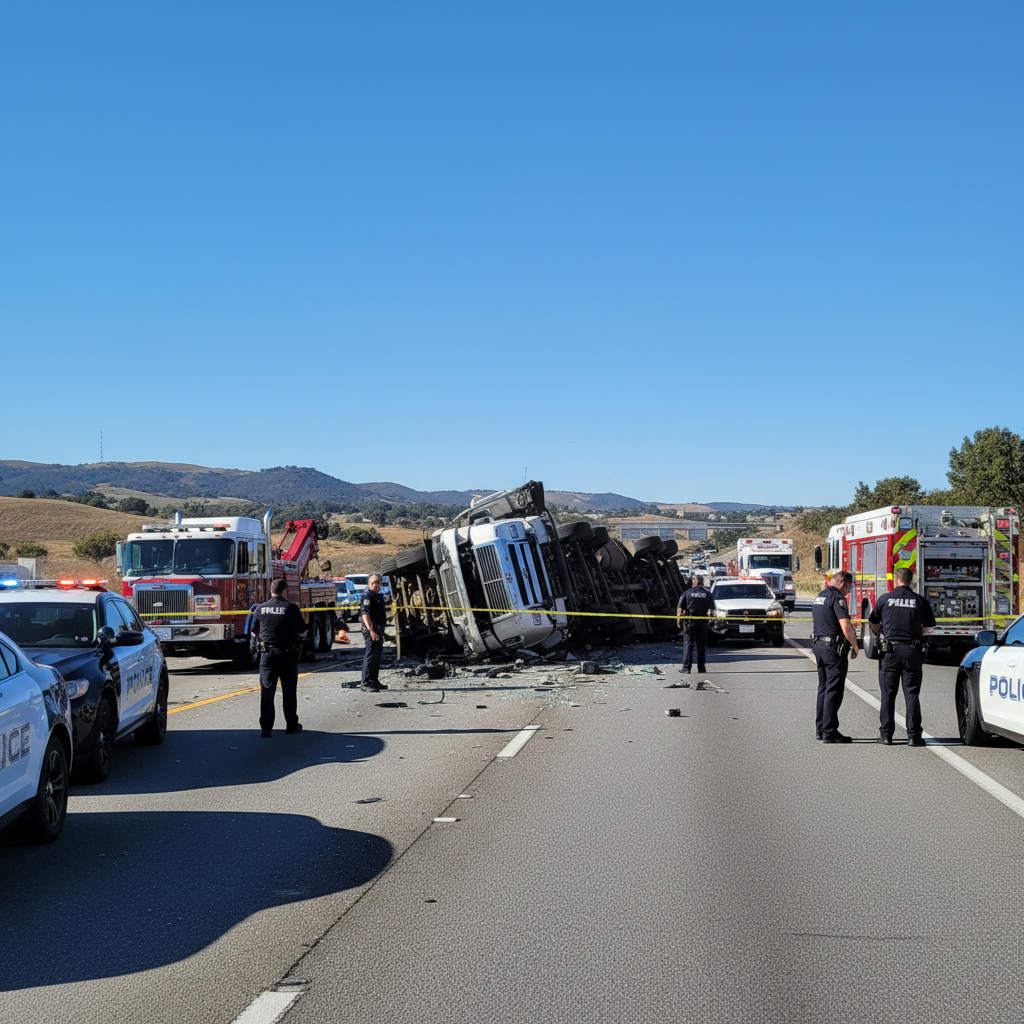
The Importance of FMCSA CSA Scores in Personal Injury Cases
When a truck accident occurs, determining liability can be complex. One critical component that can influence not only the outcome of the case but also any potential compensation is the Federal Motor Carrier Safety Administration (FMCSA) Compliance, Safety, Accountability (CSA) scores. These scores serve as a tool to evaluate the safety and compliance record of trucking companies and their drivers, which can be pivotal in personal injury cases.
What Are FMCSA CSA Scores?
The FMCSA CSA program was established to improve road safety by collecting data on trucking companies and their drivers. CSA scores are based on various safety metrics that the FMCSA uses to monitor compliance with federal regulations. The system scores carriers in several areas, including:
- Unsafe driving
- Crash involvement
- Hours-of-service compliance
- Vehicle maintenance
- Hazardous materials
Each of these categories is assigned a score that reflects the company’s performance, with higher scores indicating more significant safety issues. To understand how a trucking company’s CSA scores may impact a personal injury case, it’s crucial to dive deeper into these scores' implications.
How CSA Scores Affect Liability in Trucking Accidents
In personal injury cases involving truck accidents, CSA scores can play a significant role in establishing liability. Here’s how they come into play:
Evaluating Negligence
CSA scores provide a quantitative measure of a trucking company’s safety record. If a company has high scores in the unsafe driving category, for instance, this could indicate a pattern of reckless behavior, which is essential in showing liability. According to FMCSA regulations, safer companies have lower scores and are less likely to have engaged in negligent behavior that contributed to the accident (see 49 CFR § 385).
Strengthening Your Case
In court, CSA scores can act as evidence to support claims of negligence. For example, if a trucking company has a history of hours-of-service violations, it can be argued that a tired driver was operating the vehicle at the time of the accident, highlighting the company's failure to adhere to safety regulations (49 CFR § 395). This evidence is vital for convincing judges or jurors of the company’s liability.
Practical Advice for Truck Accident Victims
Understanding how to utilize CSA scores can significantly impact the course of personal injury claims. Here are some practical steps accident victims can take:
Gather CSA Score Information
Victims should seek to obtain the CSA scores of the trucking company involved in their accident. This information is publicly accessible through the FMCSA website and can provide insight into the safety practices of the involved carrier. Simply input the company’s DOT number to access their scores and associated safety data.
Consult with an Attorney
Navigating personal injury claims, especially those involving commercial trucking, can be complicated. By consulting with an attorney who specializes in truck accidents, victims can better understand how CSA scores and related safety records may affect their case. An experienced attorney can help identify and gather necessary documentation and evidence.
Document Everything
In the aftermath of a truck accident, keeping thorough records is essential. Take detailed notes regarding the accident circumstances, witness statements, and any relevant medical reports. Additionally, ensuring the collection of evidence regarding the trucking company’s CSA score and any safety violations documented can significantly help your claim.
Conclusion
Understanding FMCSA CSA scores can empower truck accident victims when seeking justice and compensation for their injuries. By recognizing the relevance of these scores in establishing liability, victims can make informed decisions about their cases. Always remember, consulting with a knowledgeable legal professional is crucial in effectively navigating the complexities of personal injury claims involving commercial trucks.
For more information and to explore your options, visit TruckAccidentCalculator.com.