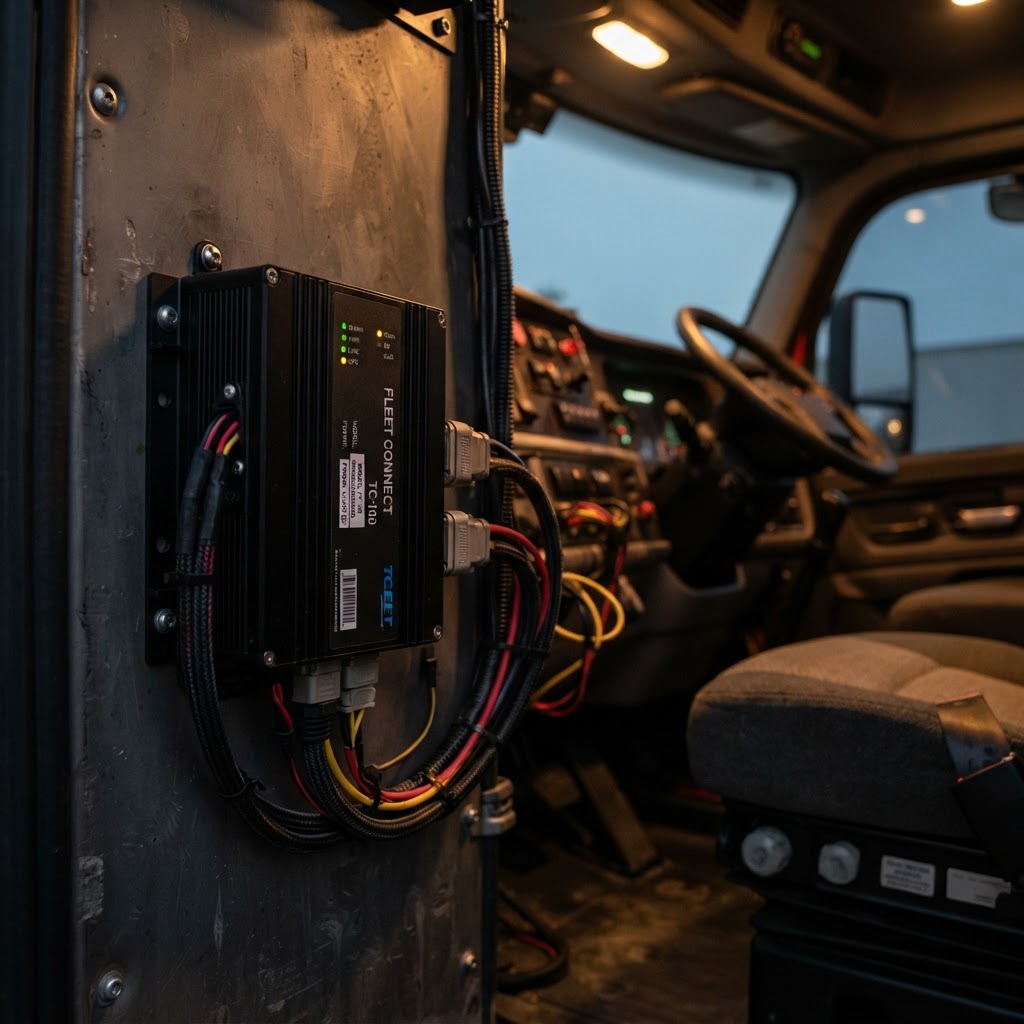
Understanding the 'Black Box' in Commercial Vehicles
When a catastrophic commercial truck accident occurs, the question of liability is rarely straightforward. While eyewitness accounts and police reports provide a starting point, the most objective evidence often lies hidden within the vehicle itself. Known colloquially as the 'black box,' the Event Data Recorder (EDR) is a sophisticated electronic system designed to capture critical information in the moments leading up to and during an accident. For victims seeking justice, securing this data is often the most important step in the litigation process.
What Information Does the EDR Capture?
Commercial trucks are subject to rigorous monitoring. Under various FMCSA regulations, specifically those governing Electronic Logging Devices (ELDs) and vehicle maintenance, these systems track a wide array of metrics. An EDR typically logs:
Critical Operational Data
- Vehicle speed in the seconds before impact.
- Brake application and force levels.
- Engine throttle position.
- Steering input angles.
- Deployment status of safety systems.
Compliance and FMCSA Standards
Many of these recording requirements tie into the FMCSA's broader regulatory framework, such as 49 CFR Part 395 regarding Hours of Service (HOS) compliance. If an EDR shows that a driver was exceeding speed limits or failing to react to road hazards, it can prove that a trucking company violated safety protocols, effectively shifting the burden of proof in a personal injury or wrongful death claim.
Why Speed and Spoliation Letters Are Critical
One of the most dangerous aspects of truck accident litigation is the risk of evidence destruction. Trucking companies often have policies that involve overwriting data once a vehicle is back in service. This is where a 'spoliation letter' becomes vital. This formal legal notice, sent by your attorney to the trucking company and their insurer, legally mandates that they preserve all electronic data and physical evidence. Failure to act quickly can result in the permanent loss of this digital narrative.
How Legal Teams Use EDR Data to Secure Compensation
Proving negligence requires demonstrating that the driver or the company breached their duty of care. EDR data provides a digital reconstruction of the accident, which can debunk false testimony from drivers or claims that the truck was properly maintained. By analyzing the data, expert witnesses—often accident reconstructionists—can verify whether a driver was fatigued, distracted, or operating the vehicle in a manner that violated safety regulations.
Practical Advice for Accident Victims
If you have been injured in an accident involving a tractor-trailer, time is of the essence. Do not wait to seek legal counsel, as the digital trail can disappear within weeks of an incident.
- Seek immediate medical attention to document your injuries.
- Do not discuss the details of the crash with insurance adjusters from the trucking company.
- Contact a law firm experienced in commercial trucking litigation who knows how to issue immediate preservation letters.
- Avoid signing any release forms presented by the trucking company's representatives.
By ensuring the black box data is preserved and analyzed by professionals, you take the first step toward holding responsible parties accountable and securing the financial future you deserve.