Overloaded Trucks: Understanding Federal Limits and Your Legal Rights
The Danger of Overloaded Trucks on Our Highways
When a commercial truck exceeds its maximum allowable weight, it becomes a dangerous weapon on the road. Overloaded trucks are not just a nuisance; they are a severe safety hazard that directly contributes to catastrophic accidents. Whether it is poor braking performance, increased rollover risks, or tire failure, the consequences of improper loading are often borne by innocent passenger vehicle drivers. At TruckAccidentCalculator.com, we believe that understanding the intersection of physics and federal law is the first step toward justice for accident victims.
Understanding FMCSA Weight Regulations
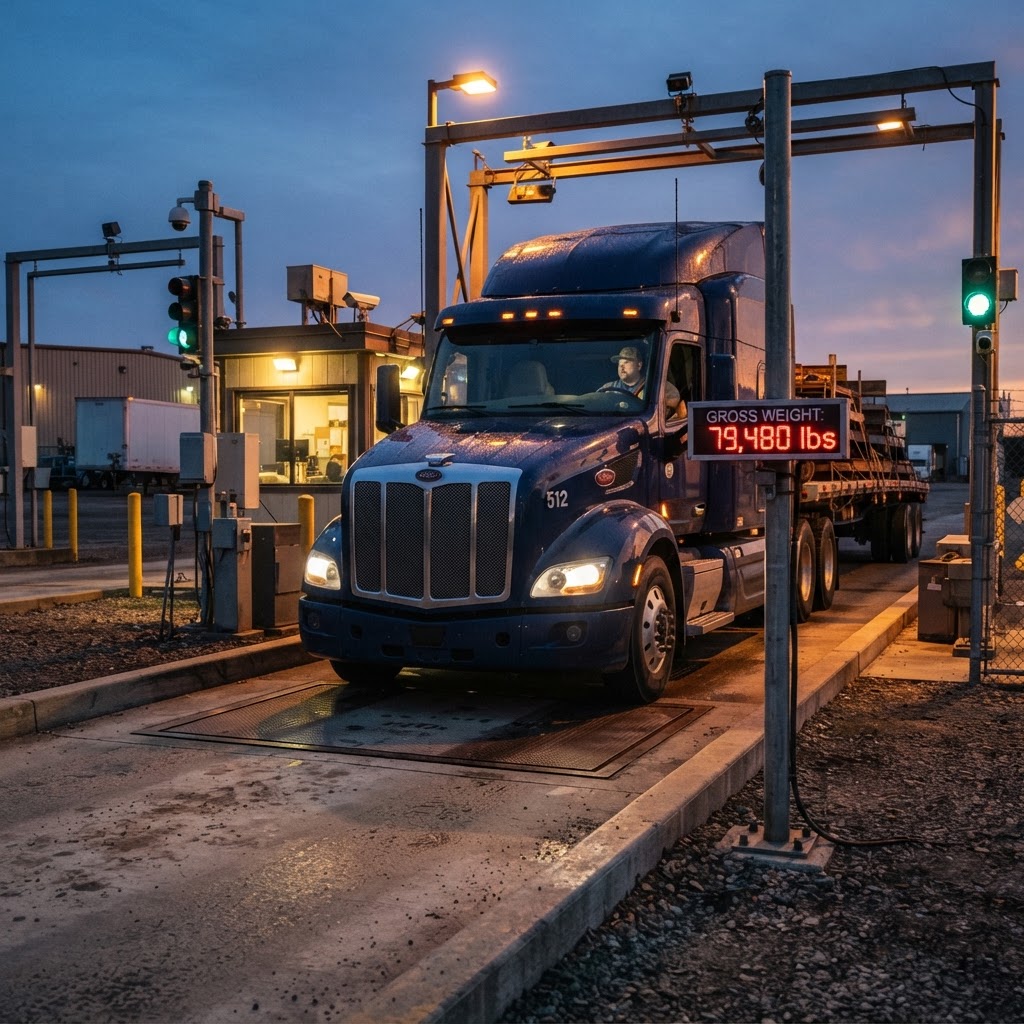
Commercial trucking is heavily regulated to ensure public safety, with the Federal Motor Carrier Safety Administration (FMCSA) setting strict guidelines. Under 23 U.S.C. § 127 and corresponding FMCSA standards, federal law mandates that the maximum gross vehicle weight for interstate commerce is 80,000 pounds. This limit includes the tractor, trailer, and the cargo itself.
Why Weight Limits Matter
Trucks are engineered with specific weight distribution in mind. When a carrier ignores these limits, the entire mechanical integrity of the vehicle is compromised. Excess weight places undue stress on the braking system, significantly increasing the stopping distance required to avoid an collision. Furthermore, cargo that is not properly secured or is overloaded can shift during turns, leading to a loss of control that results in deadly jackknife or rollover accidents.
Legal Consequences of Overloading
When a trucking company or driver prioritizes profit over compliance with weight limits, they are engaging in negligence. If an overloaded truck causes an accident, the legal liability extends far beyond the individual driver. Under the doctrine of respondeat superior, trucking companies are often held vicariously liable for the actions of their employees. Additionally, shippers and cargo loaders may share liability if they knowingly overloaded a trailer or failed to provide accurate manifest information.
Investigating the Evidence
Proving that a truck was overloaded requires immediate and thorough investigation. Our legal team often analyzes:
- Bill of Lading documents: To compare recorded cargo weight against actual load measurements.
- Scale tickets: Many states require trucks to pass through weigh stations where weight data is recorded.
- Electronic Logging Devices (ELDs): To track the truck's route and stops at weigh stations.
- Maintenance records: To determine if the truck was already experiencing mechanical failure due to weight abuse.
Practical Advice for Accident Victims
If you have been involved in a crash with a heavy-duty commercial vehicle, your immediate priority is your health, followed quickly by protecting your legal claim. Do not assume the accident was unavoidable. Trucking companies often have "rapid response" teams that arrive at accident scenes to limit their liability. You need a dedicated legal advocate on your side.
Steps to Protect Your Claim
- Seek immediate medical attention: Even if you feel fine, adrenaline can mask serious internal injuries.
- Document the scene: If possible, take photos of the truck and the surrounding area. Note if the truck looks unusually low to the ground.
- Secure evidence: Do not sign any documents from an insurance adjuster without consulting an attorney.
- Contact a specialist: Reach out to TruckAccidentCalculator.com to understand the potential value of your claim based on the specifics of the carrier's negligence.
Seeking Justice with The Nexus Legal Group
Accidents involving overloaded trucks are complex and require an understanding of both federal safety regulations and state civil law. Victims deserve compensation for medical bills, lost wages, and pain and suffering. By identifying the violations of federal weight limits early, we can build a compelling case that holds the trucking industry accountable for its dangerous practices.
Were You Injured in a Truck Accident?
Get a free, confidential case evaluation — available 24/7. No fees unless we win.
GET MY FREE EVALUATION