Hazmat Truck Accidents: Who Is Liable for Your Injuries?
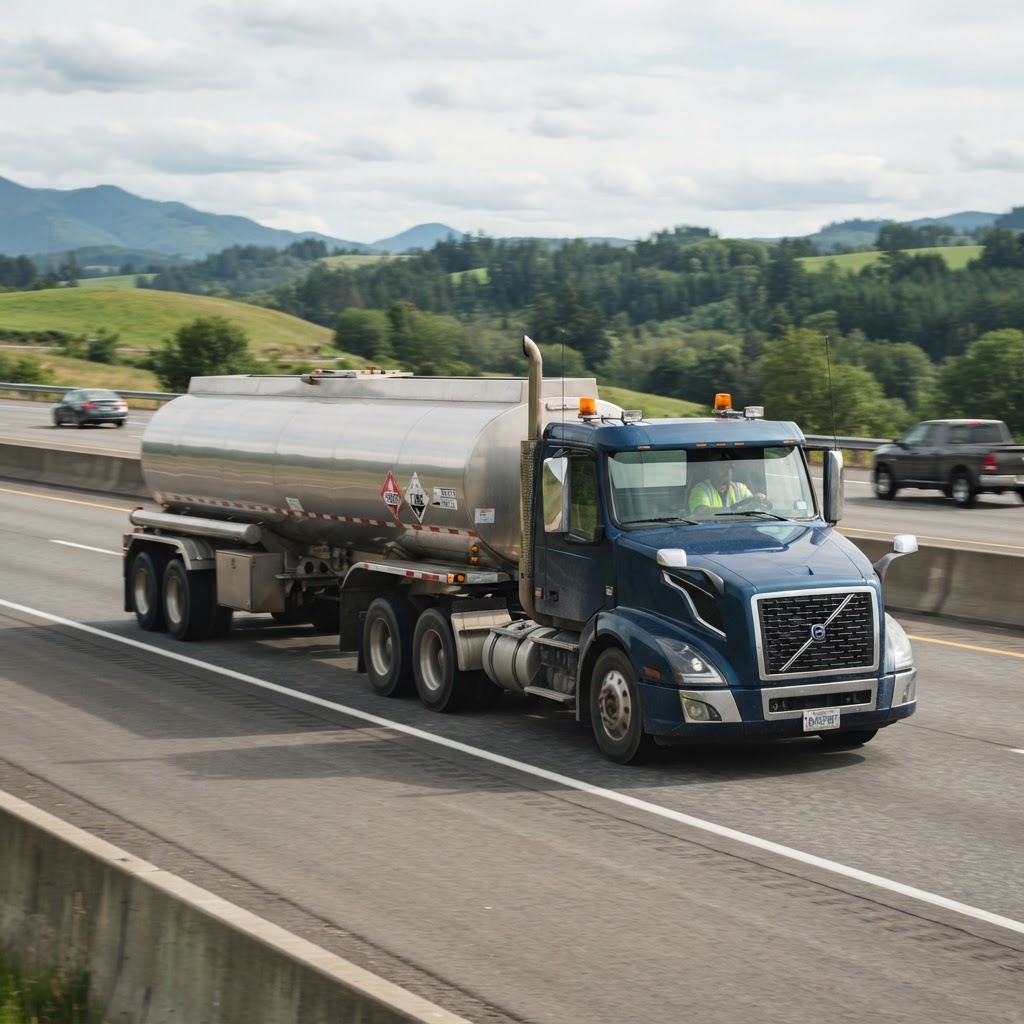
Understanding the Dangers of Hazmat Transport
Hazardous materials (hazmat) transport involves the movement of volatile, toxic, or flammable substances that pose significant risks to public safety. When a truck carrying these materials is involved in an accident, the consequences are often catastrophic, leading to chemical exposure, fires, and explosions in addition to traditional vehicle impact trauma. For victims, the legal path to recovery is often obscured by layers of corporate entities and strict federal regulations.
The Role of FMCSA Regulations
The Federal Motor Carrier Safety Administration (FMCSA) maintains rigorous oversight of hazmat transport under 49 CFR Parts 171-180. These regulations dictate how materials must be packaged, labeled, and transported.
Critical Compliance Standards
Under 49 CFR § 397, carriers must adhere to specific routing requirements to avoid heavily populated areas whenever possible. Furthermore, drivers are required to hold a Commercial Driver’s License (CDL) with a hazardous materials endorsement (H-endorsement). If a collision occurs because a driver violated these federal safety standards, it often serves as powerful evidence of negligence, which can be leveraged in a personal injury claim.
Potential Parties Liable in a Hazmat Accident
Liability in a truck accident is rarely limited to the driver behind the wheel. Because hazmat transport involves a specialized supply chain, multiple parties may share responsibility for your injuries:
- The Motor Carrier: The company employing the driver is often liable under the doctrine of respondeat superior. They are also responsible for improper hiring, training, or systemic failures to enforce safety protocols.
- The Shipper: If the shipper provided inadequate packaging or failed to accurately label the hazardous materials as required by 49 CFR § 172, they may bear liability for the accident's aftermath.
- The Loader: If the cargo was improperly secured, resulting in a shift that caused the truck to overturn, the company responsible for loading the trailer may be named as a defendant.
- The Manufacturer: If the accident was caused by a mechanical failure of the truck or the container holding the hazardous substances, the manufacturer could be held strictly liable for product defects.
Practical Steps for Accident Victims
If you have been involved in an accident with a hazmat vehicle, your first priority is your health. However, protecting your legal claim starts immediately at the scene.
Protect Your Evidence
- Seek Immediate Medical Attention: Documentation of your injuries by medical professionals is the cornerstone of any personal injury claim.
- Avoid Direct Communication with Insurance Adjusters: Do not provide recorded statements to the trucking company’s insurance representatives. Their primary goal is to minimize your payout. Instead, consult with an attorney experienced in commercial vehicle litigation.
- Identify the Placards: Hazmat trucks are required to display diamond-shaped placards identifying the cargo. If you are able to do so safely, take photos of these placards, as they contain critical codes that identify the substance and the responsible transport company.
Seeking Professional Legal Counsel
Hazmat cases are significantly more complex than standard motor vehicle accidents. They involve federal agencies, environmental clean-up crews, and high-stakes insurance adjusters. At The Nexus Legal Group, we specialize in navigating these complex regulatory frameworks to hold responsible parties accountable. If you have been injured, you deserve an advocate who understands the intricate intersection of federal transportation law and personal injury litigation. Contact us today for a comprehensive case evaluation.
Were You Injured in a Truck Accident?
Get a free, confidential case evaluation — available 24/7. No fees unless we win.
GET MY FREE EVALUATION